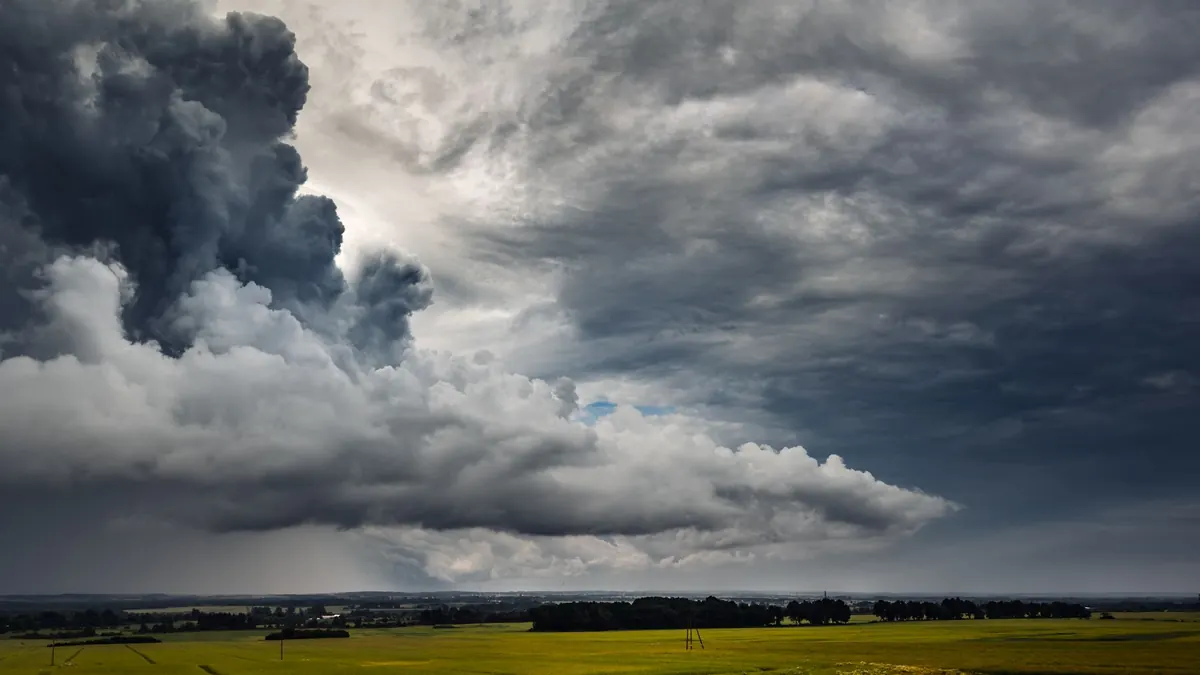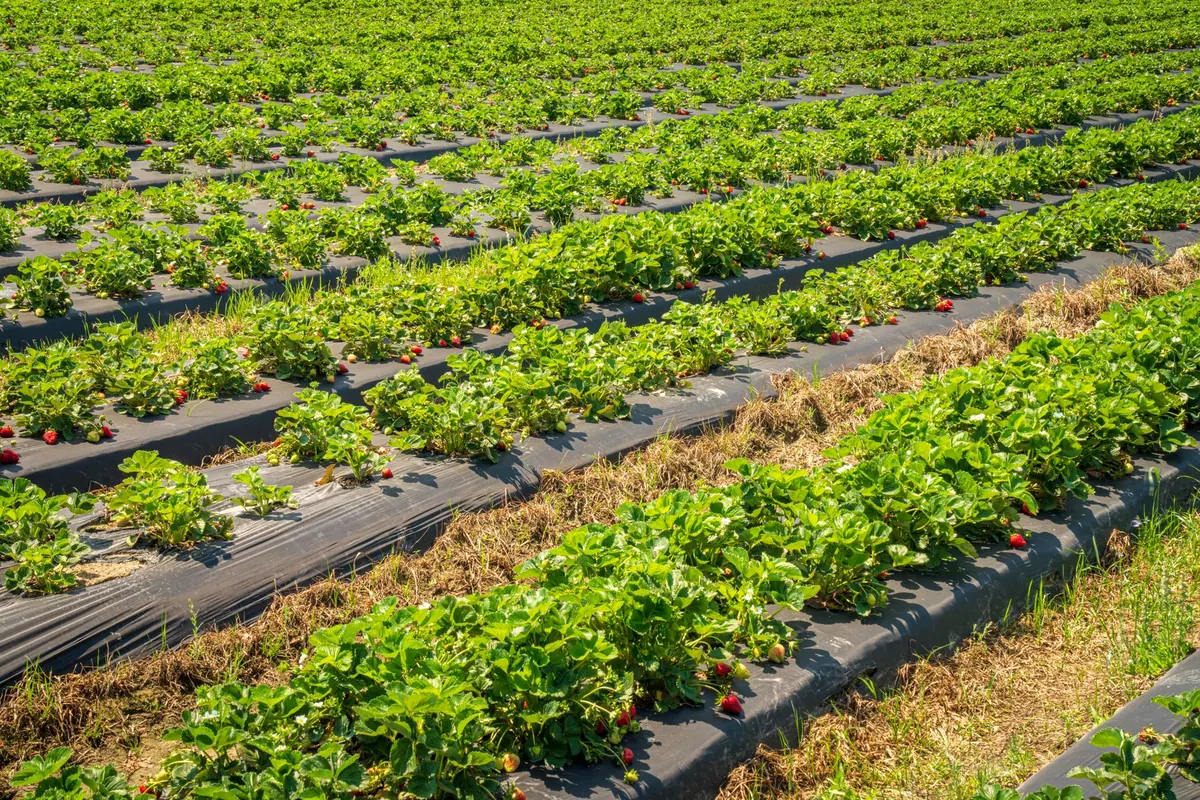


Most gardens are watered with water that has been treated for drinking, pumped across a county, and delivered to a spigot. Rain, meanwhile, lands on the roof and leaves through a downspout in a hurry. Catching part of that flow is one of the few garden projects that pays you back the same season, and it is simple enough to finish in an afternoon.
What follows covers the practical basics: where to collect, what to collect it in, how to keep it reasonably clean, and how to put it on vegetables and flowers. It also covers the part people skip, which is checking the rules where you live before spending money on barrels.
Why Rainwater Is Worth Catching
Rain is soft. It carries few dissolved minerals compared with much of the treated water that comes out of a hose, and it arrives at roughly air temperature instead of the temperature of a buried pipe. Container plants, seedlings, and anything in a raised bed seem to notice the difference. Rainwater also has no chlorine or chloramine in it, which is a small point for soil life and a real one if you keep worms or brew compost tea.
The volume adds up faster than most people expect. An inch of rain falling on a thousand square feet of roof works out to hundreds of gallons running down the downspouts. You will never capture all of it, and you do not need to. Even a pair of barrels takes a meaningful bite out of a dry week.
Be honest with yourself about one thing, though: rain arrives when it arrives. Storage, not collection, is what carries you through a hot, dry stretch in July. Plan for the barrels you can actually fill and use.
Roof, Gutters, and Downspouts: The Collection Side
Start by walking the house during a steady rain, or right after one. Note which downspouts move the most water and which ones serve the largest, cleanest stretch of roof. A downspout on the back corner near the vegetable beds beats a bigger one on the front of the house every time, because you will actually use it.
Clean the gutters before you install anything. Leaf litter is the single most common reason a barrel turns into a smelly, mosquito-friendly mess by midsummer. If the gutters overflow in a hard rain, fix that first.
Think about the roof surface, too, since water runs over whatever it is made of. Most common roofing is fine for garden use. If you have an unusual roof, an old roof in poor repair, or you have recently applied a moss killer or roof treatment, check with your local extension office before putting that water on vegetables you plan to eat.
Then add one cheap piece of hardware: a first-flush diverter. The first rain washes dust, pollen, and bird droppings off the roof, and a diverter sends those first few gallons to the ground instead of into your barrel. It is the difference between water you are happy to use and water you avoid.
Barrels, Totes, and Stands
Food-grade barrels, rain barrels sold for the purpose, and used IBC totes all work. What matters more than the container is where you put it and how you plumb it. Here is a reliable order of operations:
- Pick the spot. Close to the beds, on level ground, and where an overflow can drain away from the foundation. A barrel that dumps its excess against the house is a problem, not a solution.
- Build a solid base. Water weighs about eight pounds per gallon, so a full fifty-gallon barrel plus the barrel itself is well over four hundred pounds. Set it on pavers, gravel, or a small pad. Bare soil will settle and tip it.
- Raise it if you want gravity flow. Every foot of height gives you a little more pressure at the spigot. A sturdy stand gets you enough to run a soaker hose; a barrel sitting on the ground gets you a watering can.
- Connect the downspout. Cut it, add a flexible elbow, and aim the flow into the barrel inlet. Leave the top of the inlet screened.
- Link a second barrel if you have room. A connector kit near the bottom of both barrels lets them fill and drain together. Put the overflow on the far barrel, not the first one.
- Screen every opening. Inlet, overflow, and any gap around the lid. Standing water breeds mosquitoes in a matter of days.
Filtration and Keeping the Water Clean
You do not need a laboratory. You need to keep leaves out, keep light out, and keep the water moving through your garden instead of sitting for a month.
- A coarse screen over the inlet catches leaves and twigs.
- A fine mesh or filter sock before the barrel catches the smaller grit that clogs spigots.
- An opaque or dark barrel limits algae. A clear one will turn green in the sun.
- A sediment filter on the line protects drip emitters, which clog easily at low pressure.
- Use the water. Empty and refill barrels over a few weeks rather than letting them sit all season.
This water is not drinking water, and it should not be used to rinse dishes or hands you are about to eat with. Label the spigot. When you water vegetables, aim at the soil rather than over the leaves, and rinse harvests as you normally would. If you have an unusually rainy stretch and the barrel has been sitting, water ornamentals with the oldest water first and let the fresh rain refill the barrel.
The Rules Where You Live
Rainwater rules vary widely, and they are set locally. Some cities and counties actively encourage rain barrels and even offer rebates, while others cap how much you can store, require a permit, or treat captured rain as part of a water right. Homeowners associations have their own opinions about barrels visible from the street.
A five-minute call to your city or county, or a look at your water utility's website, settles it before you cut a downspout. If your situation is unusual, ask a local professional. This is general guidance, not legal advice for your specific property.
Getting the Water to the Plants
For a small garden, a watering can dipped into the barrel is genuinely fine, and it keeps you close enough to notice problems. With a raised barrel, a short hose and a soaker hose will drain by gravity, slowly, which is exactly how you want water delivered to tomatoes and peppers.
Drip irrigation can run on rainwater if you filter it and keep the pressure low, but expect to clean the filter more often than you would on a household line. Water in the morning when you can, so foliage dries before evening. And treat the barrels as a supplement rather than your only source, because a three-week dry spell will empty them.
Start With One Barrel This Weekend
Choose the downspout nearest your beds, clean the gutter above it, set a barrel on a level pad, and screen the inlet. That is the whole first step. Run it for a season before you buy more storage, and you will learn things no guide can tell you: how fast your roof fills it, which beds it reaches, and whether you want a second barrel beside it or a larger tote in the back corner.
Rain is free, it is better for your plants than what comes out of the tap, and it is already falling on your roof. Catch some of it.
Photo: Efrem Efre / Pexels