
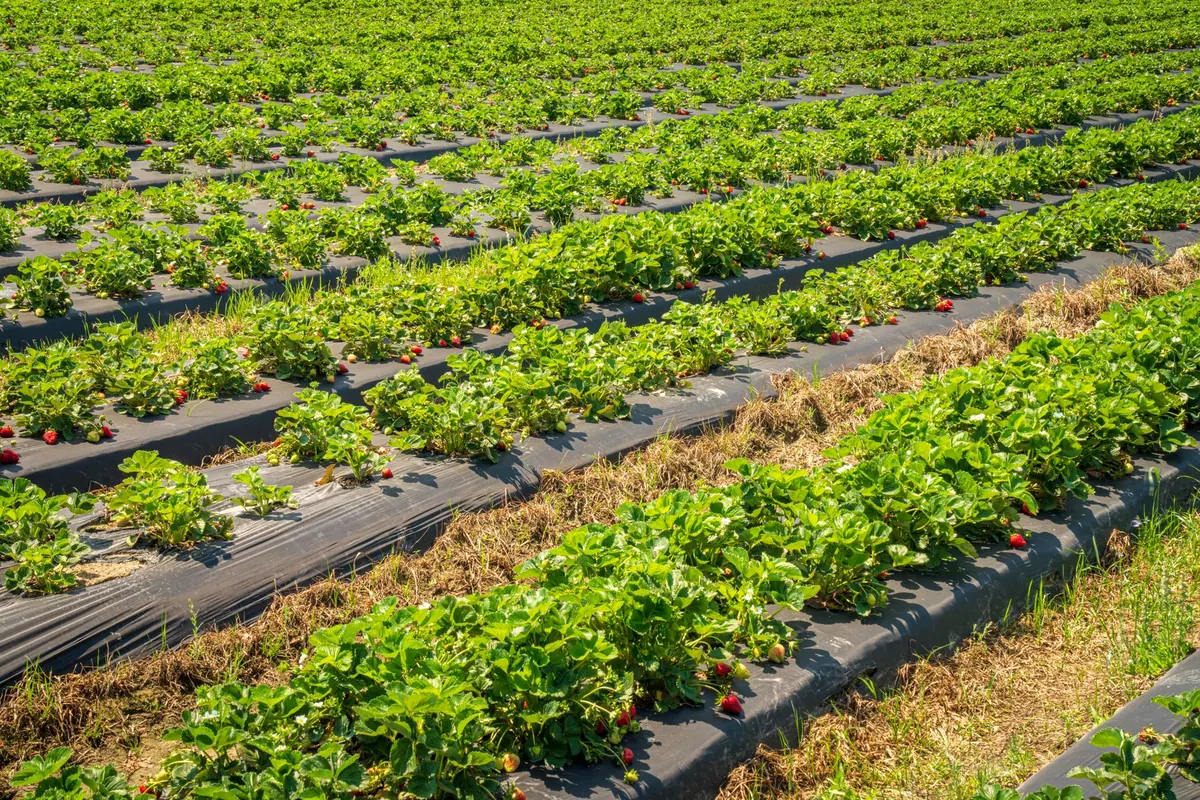
The best strawberries you'll eat this year are probably fifteen minutes from your kitchen, sitting in a field someone else spent all spring tending. U-pick farms around Honest Vale open and close their gates on a schedule set by weather rather than by a marketing calendar, which is why a little preparation pays off. Know what's ripe, know what to ask, and know what the farm expects from you, and you'll drive home with a full flat and a standing invitation to come back.
Before You Go: Five Questions Worth Asking
Conditions change fast in late spring. Berries that were green on Tuesday can be ready by Saturday, and one hailstorm can close a field for a week. Call the farm or check its page the morning you plan to go, and ask a few specific things.
- Is anything ready to pick today? "Strawberry season" covers a lot of ground. Ask which varieties are open and how the rows are holding up.
- Do I need a reservation? Some farms take walk-ins all season. Others book timed slots on busy weekends and turn people away at the gate.
- What are your hours, and do you close for rain? Morning hours are common, because cool fruit is firmer fruit. Afternoon picking in July is its own kind of endurance test.
- Do you take cards? Plenty of small farms still prefer cash, and cell service out at the far rows is often unreliable.
- Can we bring our own containers? Some farms insist on their own buckets so the weighing stays consistent. Others are happy to weigh your baskets.
Two more questions if you're bringing children: is the ground walkable with a stroller or wagon, and is there shade or water near the field? And ask about dogs. Even where leashed pets are welcome at the farm stand, they almost never belong in a fruit field.
Roughly When Each Crop Peaks
These windows shift by two or three weeks depending on elevation, variety, and how cold the spring ran. A farm down in the valley can be picking while the farm on the ridge above it is still waiting. Treat the list below as a shape for the year, then confirm with whoever owns the rows.
- Strawberries: late spring into early summer, usually a few weeks rather than a few months.
- Cherries: early summer, and brief. Miss it and you wait a year.
- Blueberries, raspberries, blackberries: early to midsummer, often with a second flush on fall-bearing varieties.
- Peaches, plums, apricots: midsummer.
- Tomatoes, peppers, sweet corn, beans: midsummer into early fall.
- Apples and pears: late summer through fall, variety by variety.
- Pumpkins and winter squash: fall, usually with a corn maze attached.
The shoulder weeks, the first and last days of any season, are the ones most worth calling about. Early on, the fruit is scarce but the field is blissfully quiet. Late in a season you may find a bargain and a great deal of crouching.
How U-Pick Pricing Usually Works
Most farms use one of three systems, and they'll generally explain it at the check-in table. Read the sign before you walk out to the rows.
- By weight. You pick, then pay per pound at the scale on the way out. This is the most common arrangement for berries and tree fruit.
- By container. You pay a flat price for a bucket, flat, or bag, whether you fill it or not. Simple, and it rewards picking efficiently.
- Entry fee plus fruit. Some farms charge a small per-person fee, sometimes credited toward your purchase, especially on busy weekends or for premium crops.
Ask whether the container's weight is deducted, whether there's a price break on larger quantities, and whether the farm also sells pre-picked fruit at a different rate. If you're planning to freeze or jam in volume, ask about the quantity discount directly. And check on your way in rather than your way out, when you're hot, sticky, and holding a full bucket.
Field Etiquette That Gets You Invited Back
Picking rules
Farmers are generous people who notice everything. A few habits go a long way.
- Pick only where you're pointed. Closed rows are closed for a reason, usually ripening or rotation.
- Ask about tasting. A berry or two in the field is often fine. Ask once and you'll know the rule. Some farms weigh what you eat, and that's fair.
- Use two hands. Support the branch with one hand and lift the fruit with the other. Yanking takes next year's growth with it.
- Leave the plant intact. Keep stems on berries, and leave the leaves, canes, and unripe fruit alone.
- Stay out of the mud and off the rows. Compacted soil and snapped plants cost the farm real money.
- Watch the clock. On crowded days, some farms limit picking time per group.
- Supervise kids closely. A four-year-old in a strawberry patch is a joy and a small bulldozer. Walk the row together.
Comfort and safety
Closed-toe shoes, a hat, water, and sunscreen make the difference between a pleasant hour and a short one. Wear long socks if you're walking through tall grass, and check for ticks when you get home. Bring a cooler for the car on hot days, and don't leave fruit baking in the trunk while you stop for lunch.
Make It a Seasonal Routine
Pick one farm and go back. Get on its email or text list, because that's where the "raspberries are open, come tomorrow" messages land. Note the date of your visit so you know when to start watching for next year's season. Go on a weekday morning when you can. The field is cooler, the rows are fuller, and the person at the scale has time to talk.
Then plan for the haul. Berries for eating, berries frozen on a sheet pan before they go into bags, and a batch of jam if you're feeling ambitious. Whatever you don't get to, share it. Half the point of a u-pick farm is that it turns an ordinary Saturday into something worth talking about at the dinner table.
Photo: Mark Stebnicki / Pexels